

Rod Meade Sperry is the editor of Buddhadharma: The Practitioner’s Guide (published by Lion’s Roar), and the book A Beginner’s Guide to Meditation: Practical Advice and Inspiration from Contemporary Buddhist Teachers. He lives in Halifax, Nova Scotia, with his partner and their tiny pup, Sid.

Rod Meade Sperry
Recent Articles
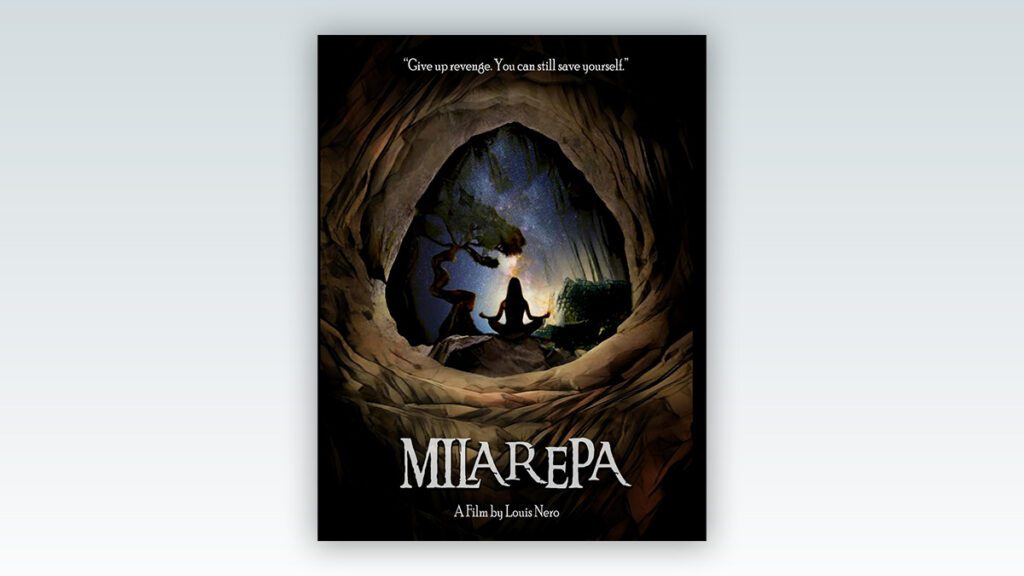
Louis Nero’s “Milarepa” film to reimagine Tibetan Buddhist figures in sci-fi future
The forthcoming film will offer a sci-fi twist on the lives of the eleventh-century Tibetan Buddhist figures Jetsun Milarepa and Marpa Lotsawa.

Crimson Tide Uncovers The Hidden Joy of Basketball
Crediting their success to the Buddhist concept of mudita, the Alabama Crimson Tide men's basketball team is headed to the Final Four for the first time.

Join the Campaign to Save University of Toronto’s Minor in Buddhism, Psychology, and Mental Health
Buddhist author and professor Jeff Wilson is calling to save a major Buddhist Studies program at the University of Toronto.
Remembering Buddhist teacher and author Wes Nisker (1942-2023)
Wes Nisker, the Oakland, California-based Buddhist teacher, author, radio personality, and founder and co-editor of "Inquiring Mind" has died.
Power & You (Summer 2023 Editor’s Note)
Buddhadharma editor Rod Meade Sperry introduces the Summer 2023 issue.
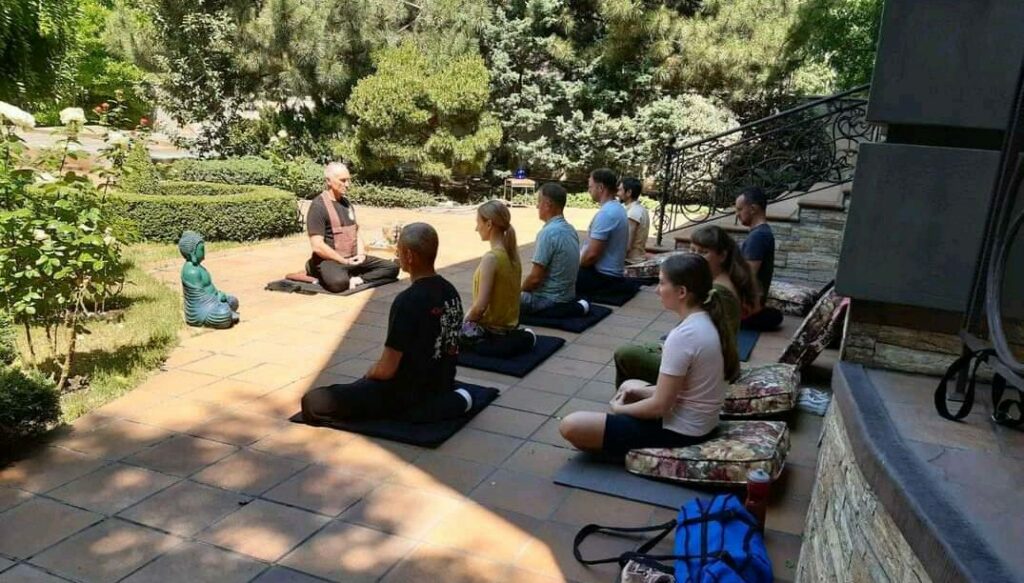
Zen During Wartime: Sergey Washin Tsarenko on Practice in Ukraine
“Life may not be the same,” writes Zen priest Sergey Washin Tsarenko about day-to-day existence in Ukraine, “but it is always worth living it fully.”
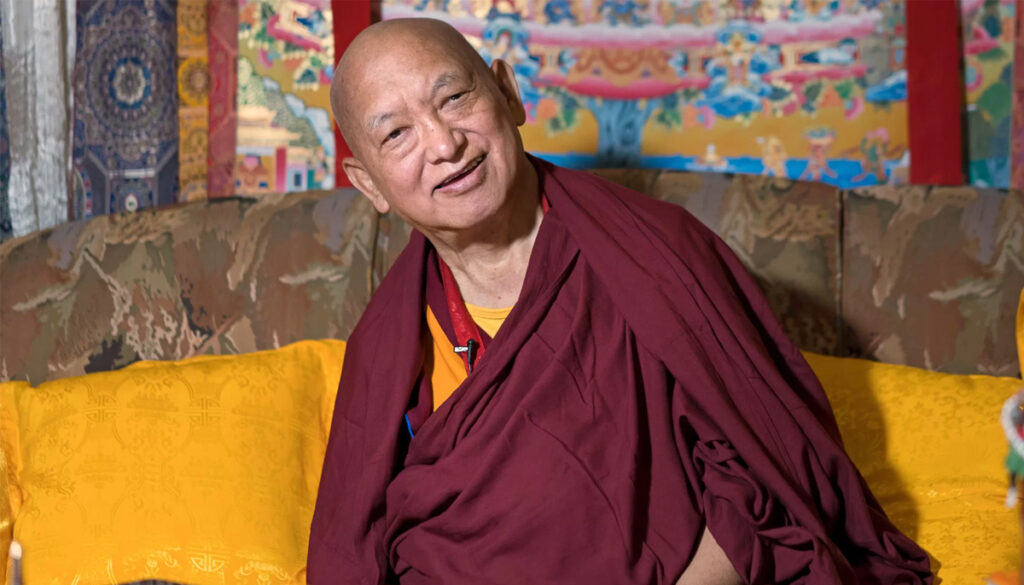
El maestro budista Lama Zopa Rinpoche, co-fundador de la FPMT, muere a sus 76 años
Lama Thubten Zopa Rinpoche fue el co-fundador del monasterio Kopan, de la editorial Wisdom Publications y de la organización Foundation for the Preservation of the Mahayana Tradition (FPMT).
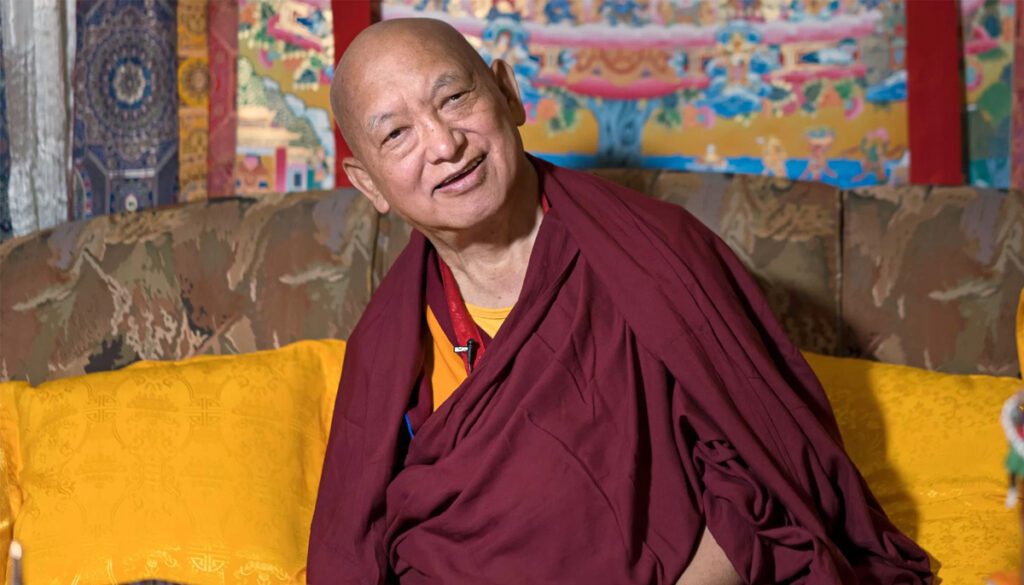
Buddhist teacher Lama Zopa Rinpoche, co-founder of FPMT, dies at 76
Lama Thubten Zopa Rinpoche was the co-founder of Kopan Monastery, Wisdom Publications, and the Foundation for the Preservation of the Mahayana Tradition (FPMT).
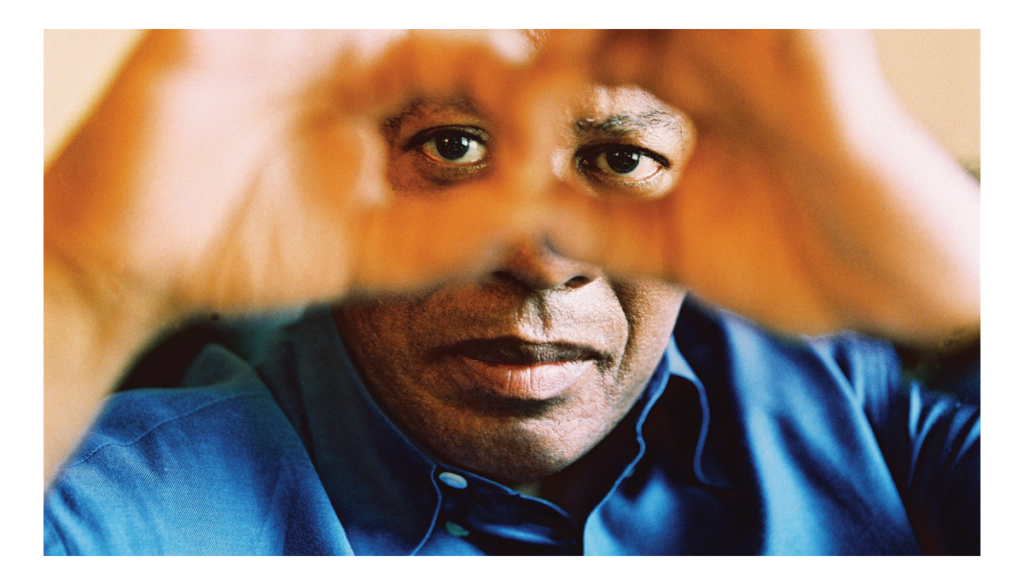
Remembering Wayne Shorter, Rogue Philosopher (1933-2023)
Rod Meade Sperry looks at the life, art, and Buddhism of the jazz great Wayne Shorter.

What Is a “Darkness Retreat”?
Rod Meade Sperry talks to Lama Justin von Bujdoss about the practice of "darkness retreat," which made headlines this week after NFL quarterback Aaron Rodgers revealed he will soon undertake the practice to determine the future of his football career.
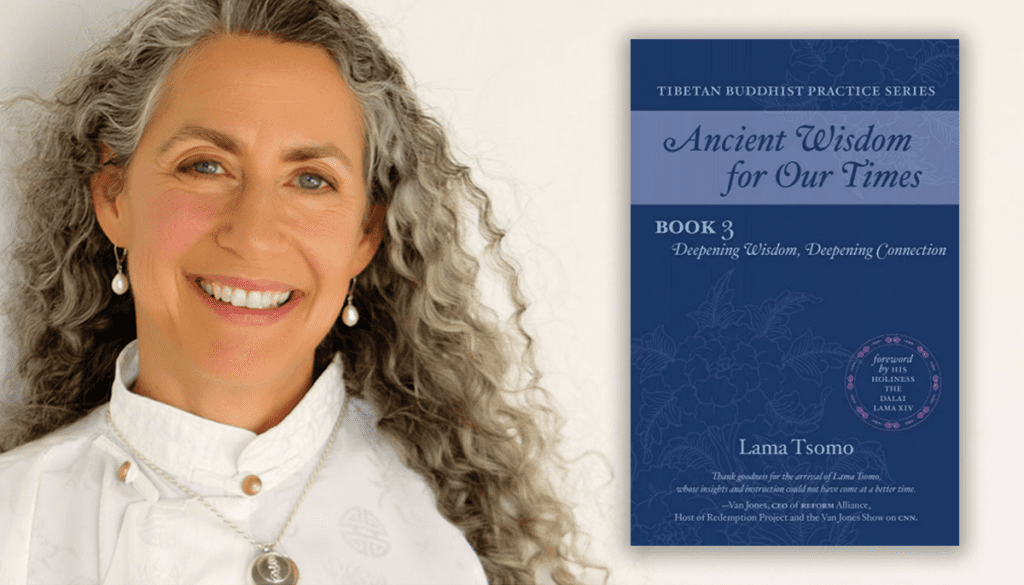
Lama Tsomo on Buddhist Practices That Help Us Cultivate Wisdom & Connection
Rod Meade Sperry talks to Lama Tsomo about her new book "Deepening Wisdom, Deepening Connection."
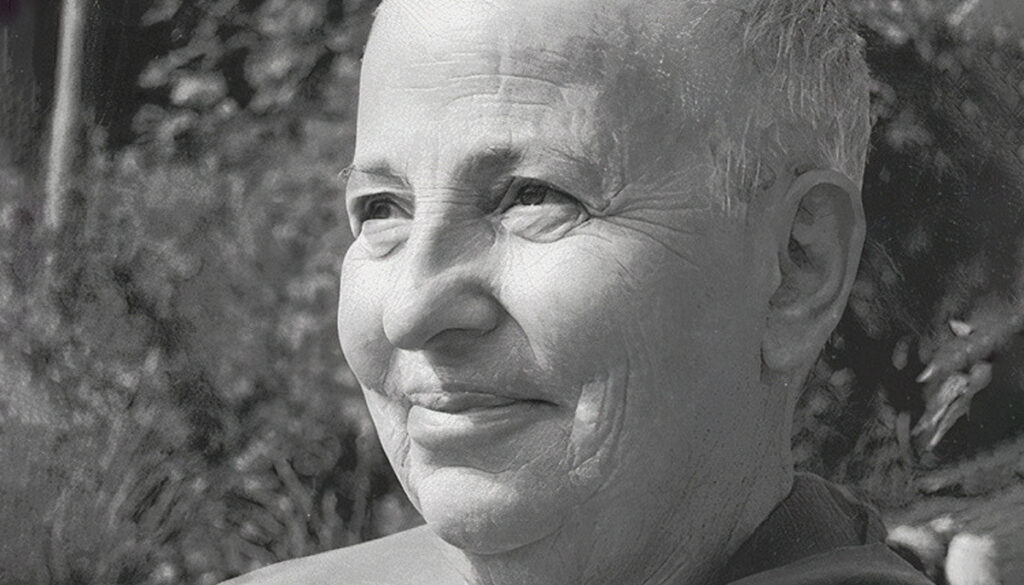
Buddhist nun Ayya Khema was a force of nature — and of unconditional love
Lion's Roar's Rod Meade Sperry talks to Leigh Brasington about a new posthumous release from Ayya Khema, "The Path to Peace: A Buddhist Guide to Cultivating Loving-kindness."

Following climate activist’s self-immolation, Buddhist leaders release statement
If we had known about his plans, we would have stopped him in any way possible, the statement reads. "That would be our spiritual, moral and legal responsibility."
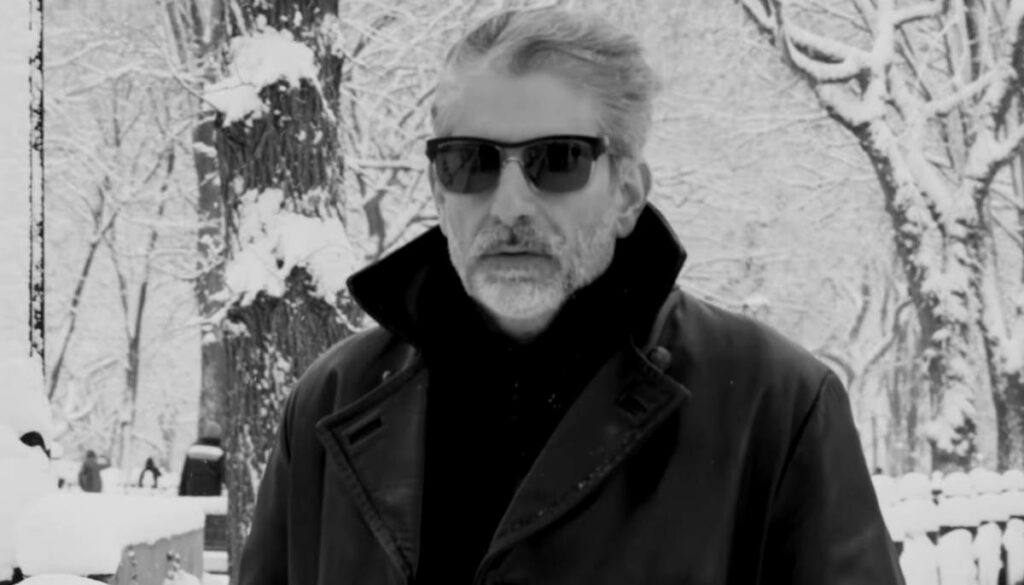
Zopa, featuring Michael Imperioli, releases dharma-infused song, “Red Sky”
The lyrics to Zopa's new track capture "fellow wanderers in samsara taking refuge in love," Imperioli says.
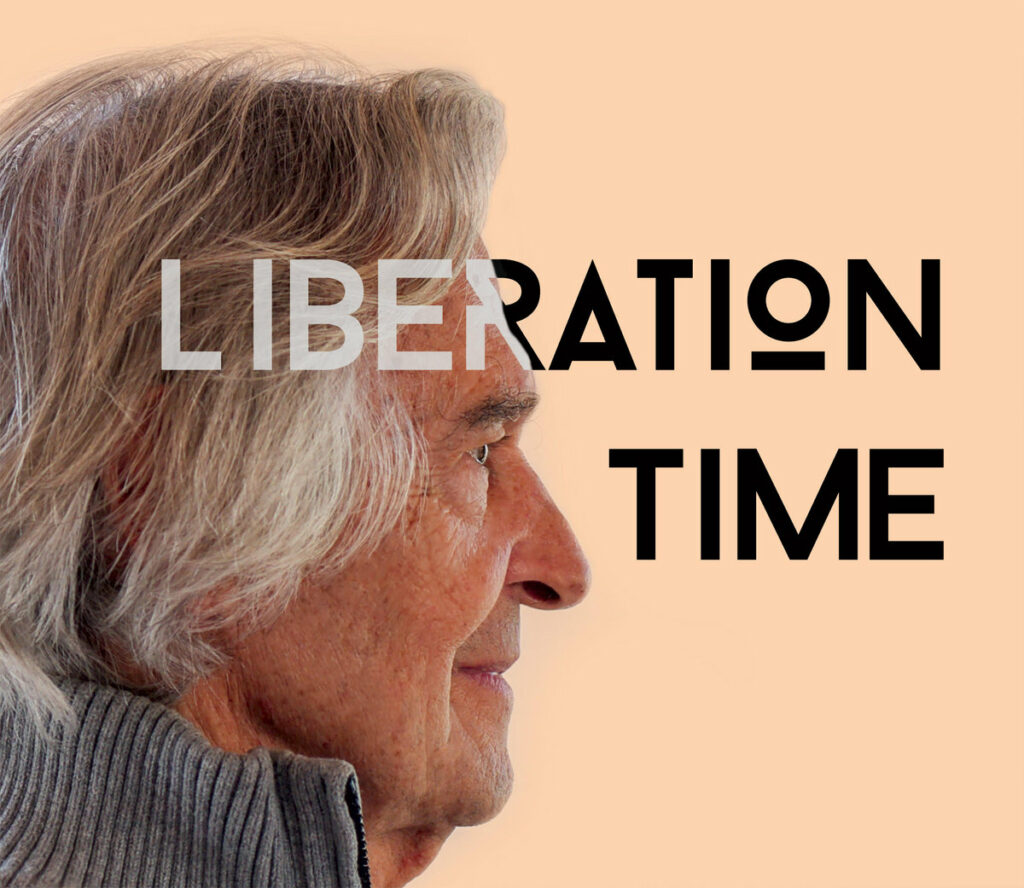
“I was transported” — music legend John McLaughlin on the inspiration of “Mila Repa”
The virtuoso musician's new album is equal parts incendiary and reflective. And there's a bit of Buddhism in the mix, too.

Meditation is some serious funny business for Bizarro comic-strip artist Dan Piraro
Rod Meade Sperry reports on the meditation advice recently shared by "Bizarro" creator Dan Piraro.
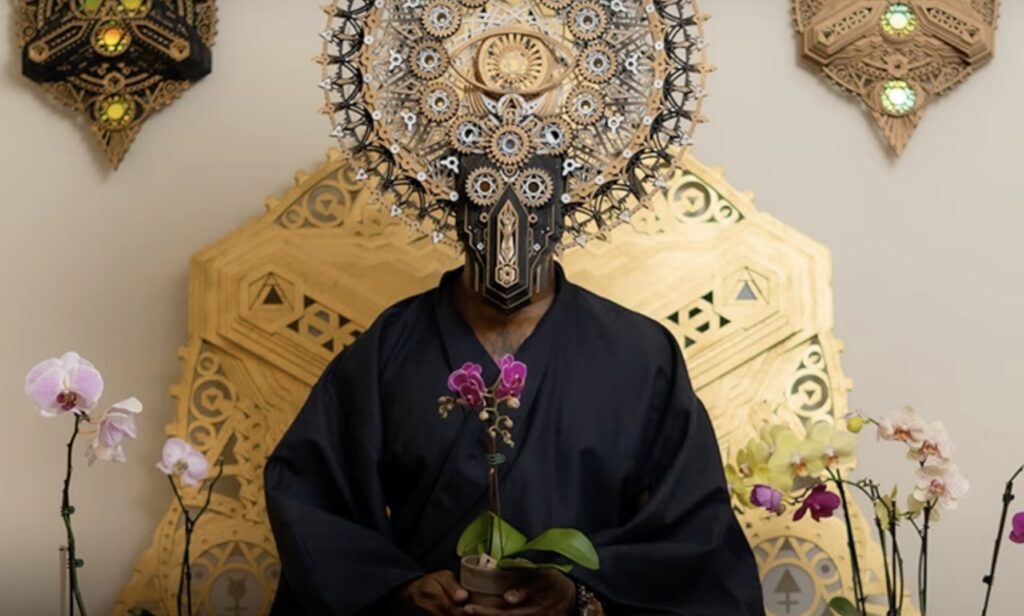
Listen to “Unenlightened” — Born I’s newest example of “trap music for meditators”
Listen to Born I's third single from his upcoming album, "Unenlightened."

What Are the Five Precepts?
How can Buddhists know if their life is an ethical one? By keeping the five precepts, a set of guidelines for those who wish to do no harm.
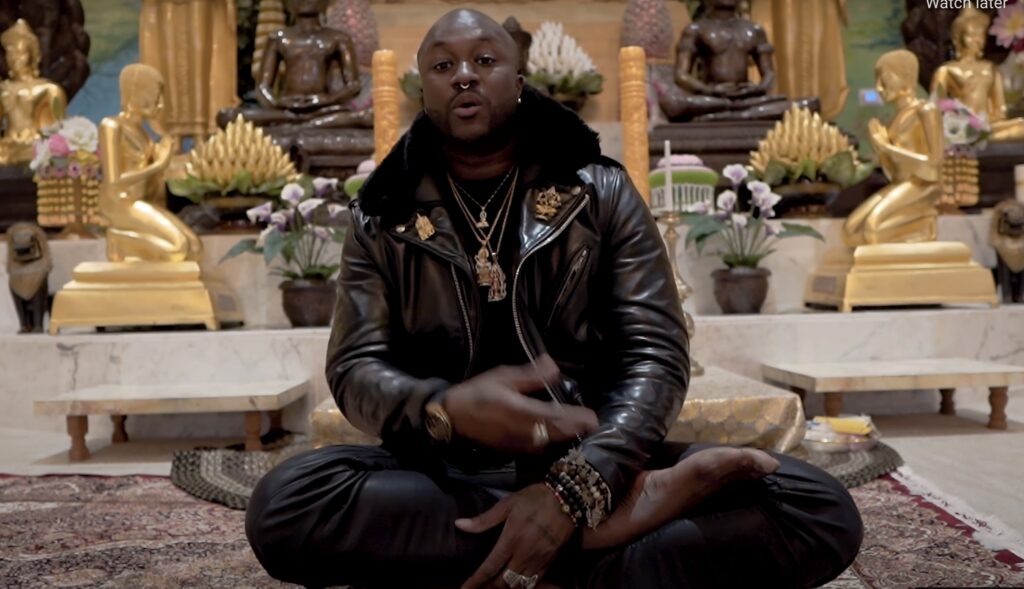
Watch “How Many Times,” rapper Born I’s “new meditation on rebirth and reincarnation”
I’ve been thinking a lot about death and rebirth, says Born I, "and this song is a reflection of that."
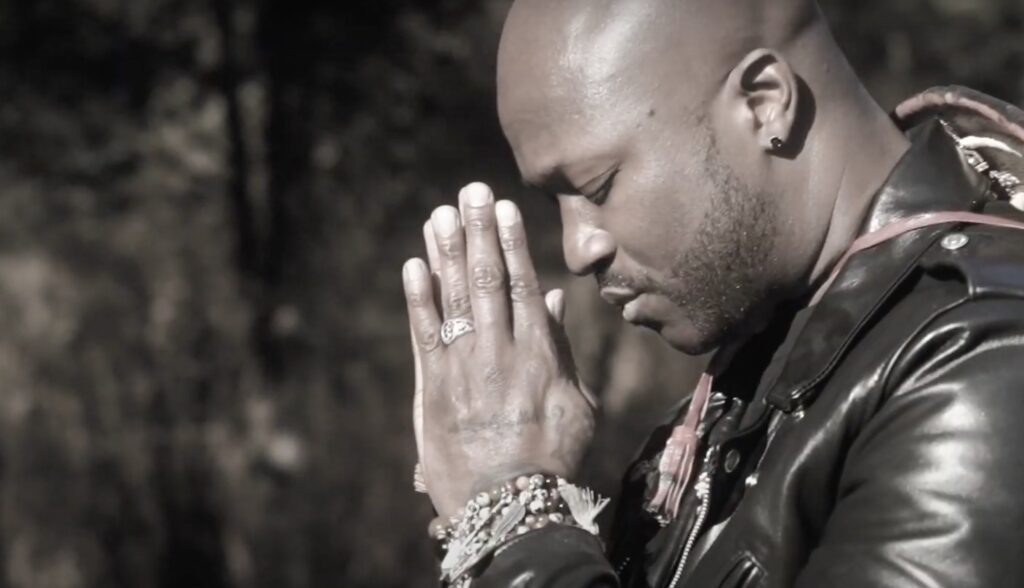
In This Moment — Buddhist inspiration and aspiration meet in new Born I Music song/video
Born's new song is a shot of grounding inspiration right when we all could use it.
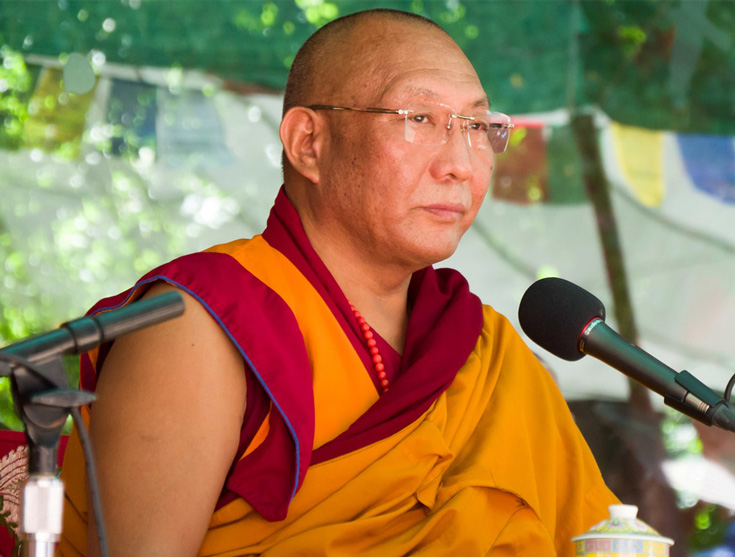
Dagri Rinpoche found to have committed sexual misconduct, FPMT states
Tibetan Buddhist teacher Dagri Rinpoche has been declared to have “committed sexual misconduct, which also qualifies as spiritual abuse given his position as a spiritual teacher.”
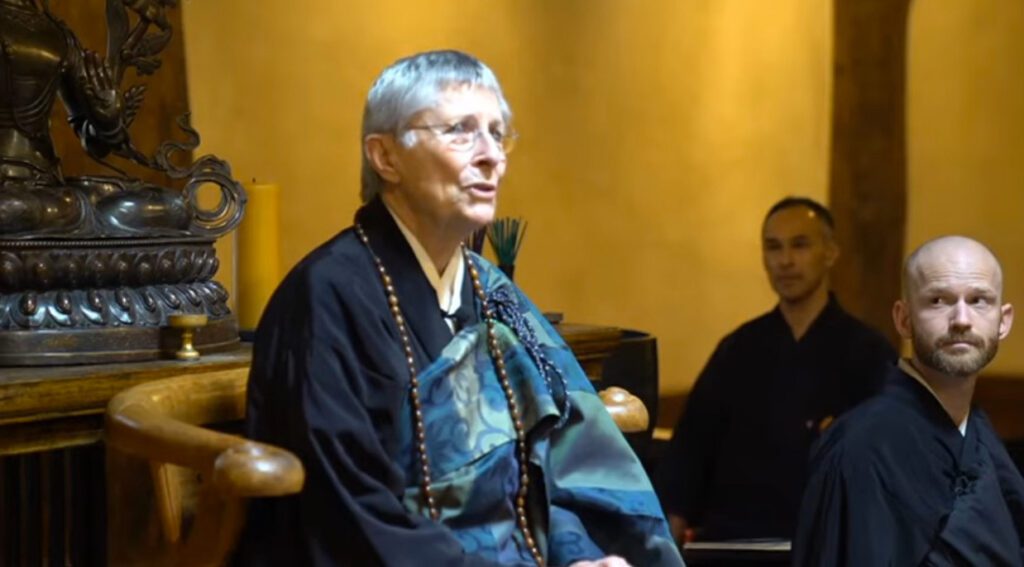
“The world needs people like you” — a post-election pep talk from Roshi Joan Halifax
During Upaya Zen Center’s November 6th’s Jukai and Tokudo ceremony Roshi Joan Halifax took a few moments to acknowledge the the US presidential election.
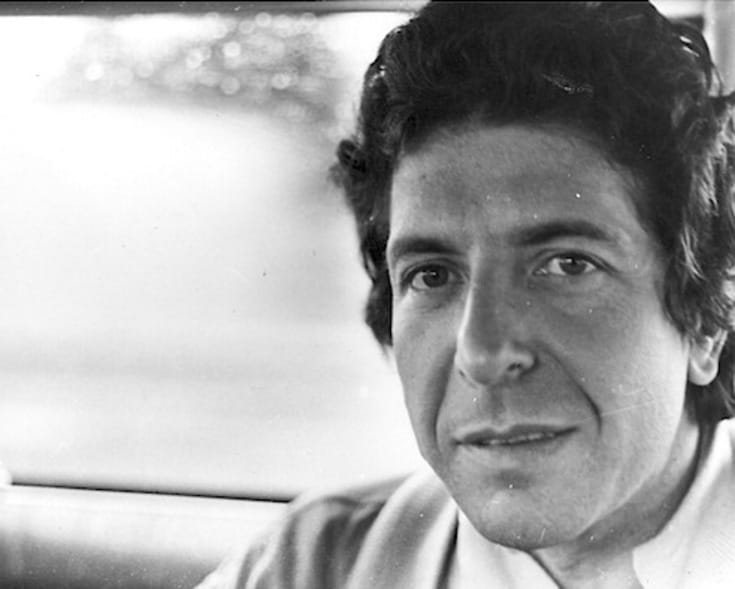
Leonard Cohen Died Four Years Ago
It is with profound sorrow we report that legendary poet, songwriter and artist, Leonard Cohen has passed away.
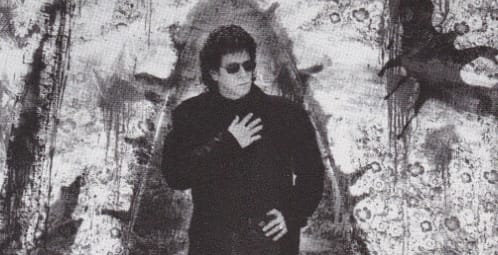
Magic & Loss: Celebrating Lou Reed
Reed's death being a hoax was a hoax itself; Reed, who had had an emergency liver transplant in May, had indeed passed. He was 71.
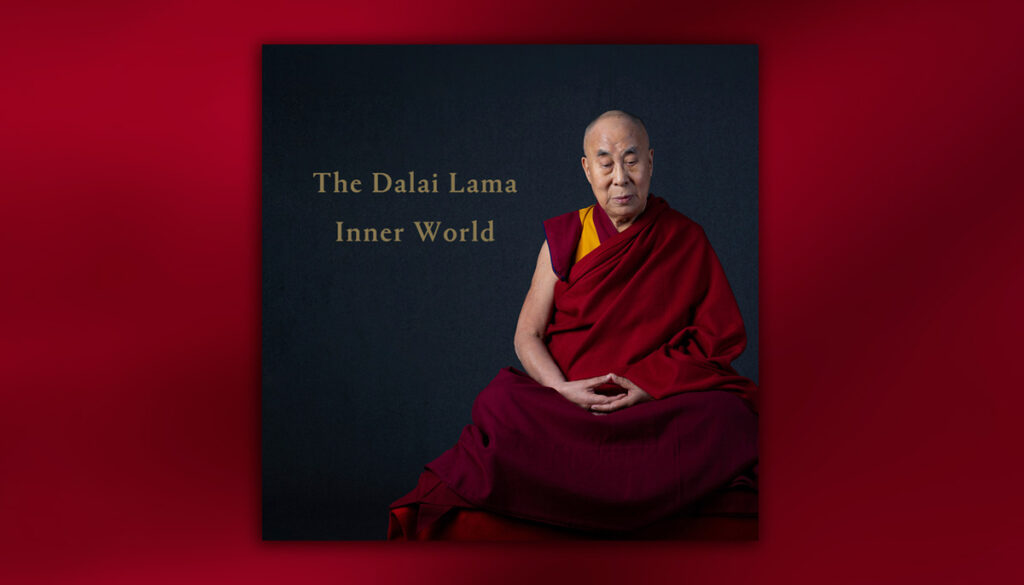
Listen to “Compassion,” from the Dalai Lama’s new album, Inner World
A new 11-track album featuring His Holiness the Dalai Lama reciting mantras and leading short teachings will be released on July 6.
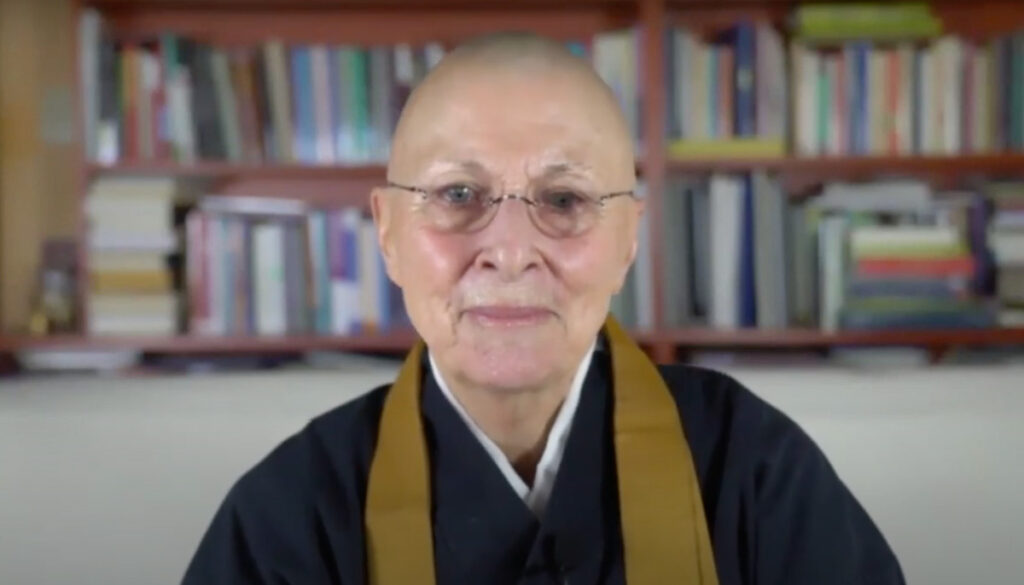
Watch: Practices for When You Are Sick, led by Roshi Joan Halifax
Roshi Joan Halifax leads us through a short and simple practice to help us navigate the illness and fear brought on by the coronavirus crisis.
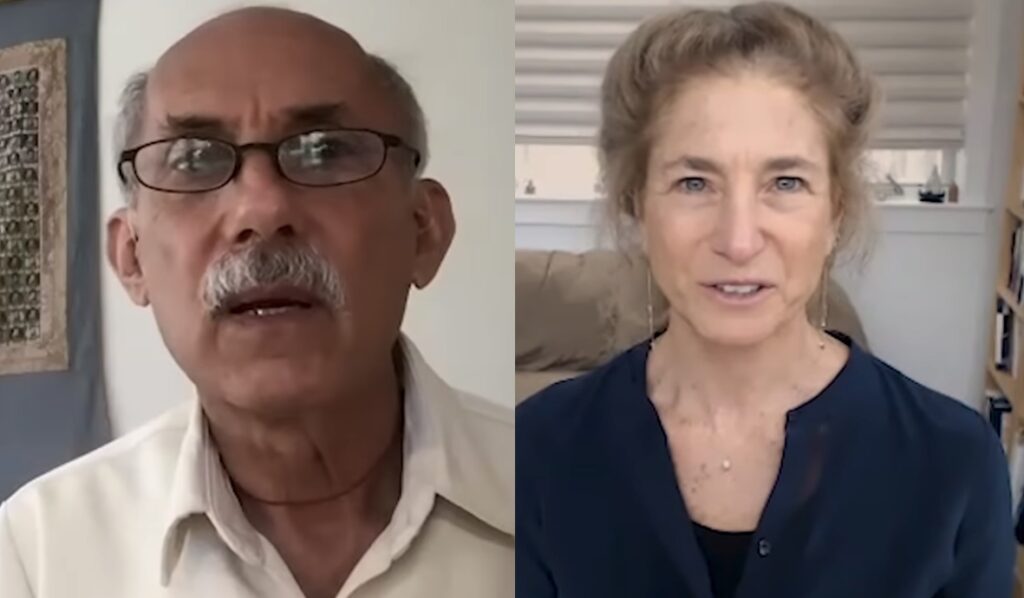
Watch “A Steady Heart in Time of Coronavirus,” from Tara Brach & Jack Kornfield
Meditations and practices to help us loving-awareness and contribute to the healing of our world in the coronavirus era.

The COVID-19 Era Sangha Needs You
As we all learn to adapt to our new reality with the coronavirus in our midst, we should keep in mind those who work so dedicatedly to keep the Buddhist community going.
Heart of Glass: J.D. Salinger & the Bodhisattva Ideal
After the launch of the New York Public Library's J.D. Salinger exhibit, Rod Meade Sperry reflects on how the famed author and his characters reckoned with Buddhism and spirituality.
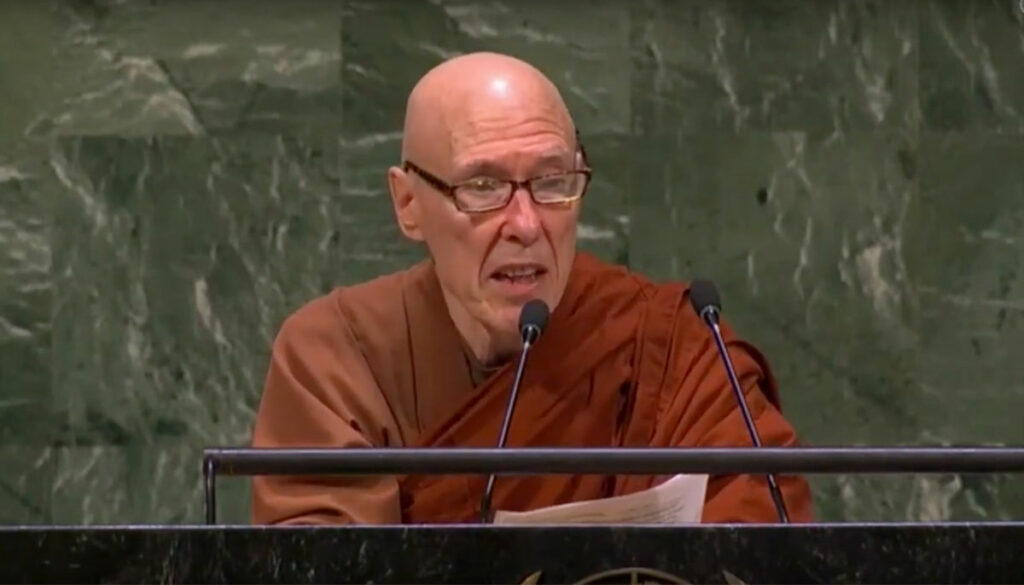
Watch Ven. Bhikkhu Bodhi deliver UN speech on climate change emergency
At the United Nations celebration in recognition of Vesak, Ven. Bhikkhu Bodhi gave this address about our need to confront climate change.
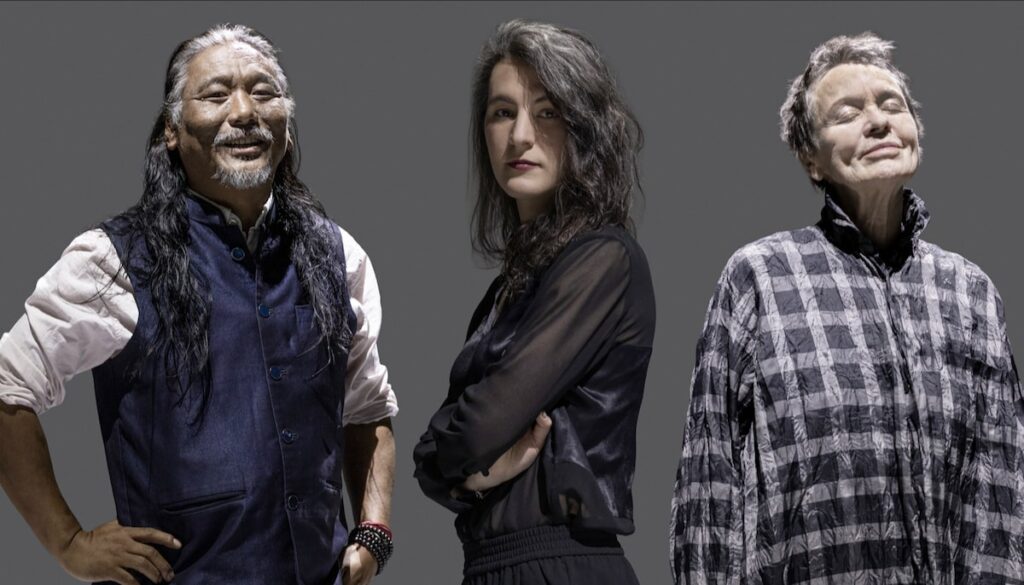
Listen as Laurie Anderson gives voice to “Songs from the Bardo”
Musician and visual artist Laurie Anderson has lent her voice to perhaps her most outwardly Buddhism-influenced project yet.